

Back pain on long drives can turn a routine commute into an uncomfortable journey.
If you live in Limerick, Charleville or anywhere, long drives are part of life. Commuting to Cork, visiting family across Munster or heading north for work can leave your lower back stiff and sore by the end of the journey. Sitting puts more load on the lumbar spine than standing, and holding one position for hours asks the muscles around your spine to work without a break.
The good news is that a few changes to your setup and habits can make a real difference. Here is what we recommend.
Why does your back hurt after a long drive?
Driving keeps you in a limited range of positions, with fewer opportunities to move than you would have at home or at work. Reaching for the wheel or pedals, an uncomfortable seat and vibration from the road can all contribute to discomfort.
If your back is already sensitive, a journey may bring on symptoms sooner. However, pain after driving does not automatically mean you have damaged your spine. The useful question is what makes your symptoms better or worse—and what you can change before your next trip.
How to reduce back pain on long drives
Adjust your seat before you set off
Aim for a position that feels supported and allows you to control the car easily. There is no single seat angle that suits everyone.
- Bring the seat within comfortable reach of the pedals. You should be able to press them fully while keeping your back supported and your knee slightly bent.
- Adjust the backrest. A slight recline may feel comfortable, provided you can reach the wheel without leaning forward or stretching your arms.
- Try gentle lumbar support. Adjust the built-in support or try a small rolled towel at the curve of your lower back. It should feel comfortable rather than push you forward.
- Check the seat height. Make sure you can see clearly, with enough headroom and no uncomfortable pressure behind your knees.
- Set the steering wheel and mirrors. Keep your shoulders relaxed and your elbows slightly bent. Adjust mirrors before leaving to minimise unnecessary leaning.
- Remove bulky items from your back pockets. A wallet or phone can make sitting uneven and uncomfortable.
Any added support must stay secure and must not interfere with your seat belt, visibility or access to the controls. Follow your vehicle manufacturer’s seating and safety guidance.
Plan movement breaks before stiffness builds
Rather than waiting until your back becomes very sore, build safe stopping points into your route. If sitting tends to aggravate your symptoms, consider a movement break roughly every hour, or sooner if needed. Treat this as a starting point and adjust it to your comfort and journey.
Once safely parked, get out and walk for a few minutes. Gentle, comfortable movement may be all you need; a complicated stretching routine is not essential.
If your physiotherapist has recommended exercises, use the stop to do them. Avoid forcing stretches or repeating movements that increase pain, tingling or symptoms down your leg.
Keep exercises and stretches for when the vehicle is safely parked. If pain affects your concentration or ability to use the pedals, stop somewhere safe rather than pushing through the journey.
Move before loading or unloading
After a long drive, take a short walk before lifting luggage, shopping or work equipment from the boot.
Bring bags close before lifting, use a comfortable stance and turn with your feet rather than twisting while carrying a heavy load. Split awkward loads into smaller trips or ask for help.
What to do when you get home
If your back feels stiff, try a short walk and continue gentle everyday activities as tolerated. Spending the rest of the day sitting—or staying in bed for long periods—may make it harder to get moving again.
Notice when symptoms begin. Is it after twenty minutes, an hour or only on longer journeys? Does a different seat setting help? Does pain stay in your back or travel into a leg? These details can help guide an assessment.
When back pain needs medical attention
If back pain on long drives keeps returning, a physiotherapy assessment can help you understand what may be contributing to your symptoms
Physiotherapy for back pain in Limerick and Charleville
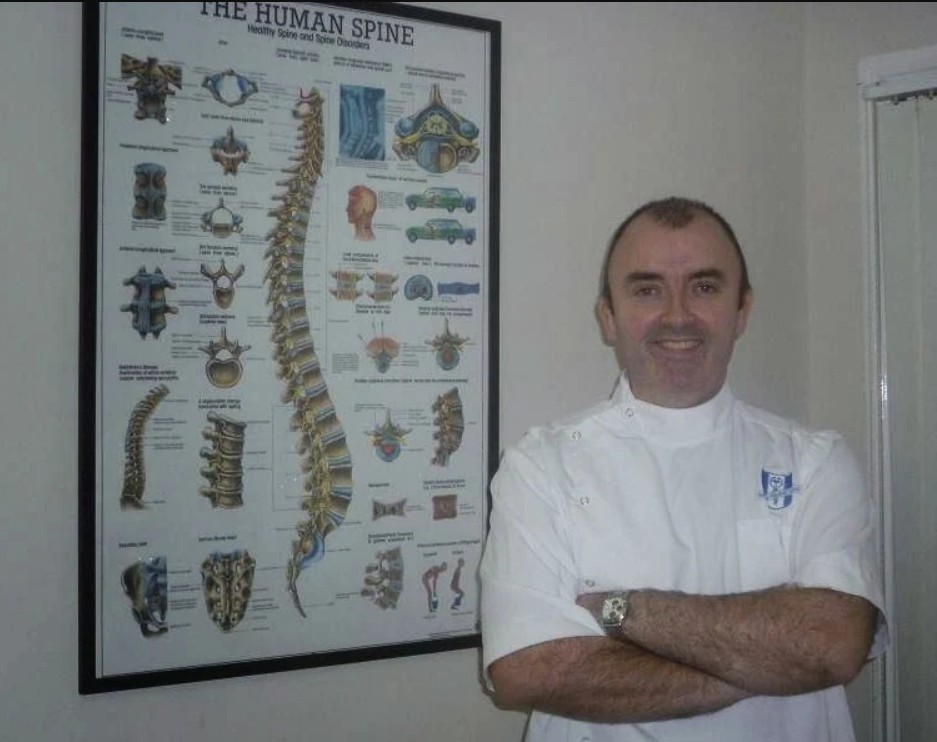
If every journey ends with a sore back, a physiotherapy assessment can help you understand what may be contributing to your symptoms.
At Don Kelly Physiotherapy and Acupuncture, an assessment can explore your movement, strength, symptoms and driving routine. Your treatment plan may include exercises, practical advice on sitting and activity, and hands-on treatment where appropriate.
The aim is to help you move more comfortably and build confidence in everyday activities, including driving.
Book at either clinic:
- Dooradoyle, Limerick: 8 The Stables, Huntsfield, V94 A5X6
- Charleville, Co. Cork: Unit 2 Tahilla House, Balls Lane, P56 NW81
Is back pain making your commute harder? Call 086 323 9194 or email don@donkellypainrelief.com to arrange an appointment.
Frequently asked questions
Is back pain after driving common?
Yes, prolonged driving can cause discomfort. However, recurring or worsening pain deserves attention, especially if it affects daily activities or comes with leg symptoms.
What is the best driving position for lower back pain?
Choose a supported position that lets you reach the wheel and pedals comfortably. Adjust the seat and lumbar support to your body rather than trying to hold a rigid posture throughout the journey.
Can physiotherapy help with driving-related back pain?
Physiotherapy can assess factors contributing to your symptoms and provide an individual plan for movement, exercise and managing time behind the wheel.