

Causes, Symptoms & Treatment
Knee joint pain is one of the most common reasons people search for a physio in Limerick or a physio in Charleville — and it’s easy to see why. The knee is the largest joint in the body, and it takes a hammering every single day: walking, climbing stairs, standing at work, playing sport, or simply getting up from a chair. When something in that joint isn’t working the way it should, you feel it fast.
At Don Kelly Physiotherapy, we see knee pain in patients of every age, from teenage athletes to retirees, across our clinics in Dooradoyle, Limerick and Charleville, Co. Cork. This article walks through the most common causes of knee joint pain, the warning signs worth paying attention to, and how a root-cause approach to physiotherapy can help.
How the Knee Joint Works
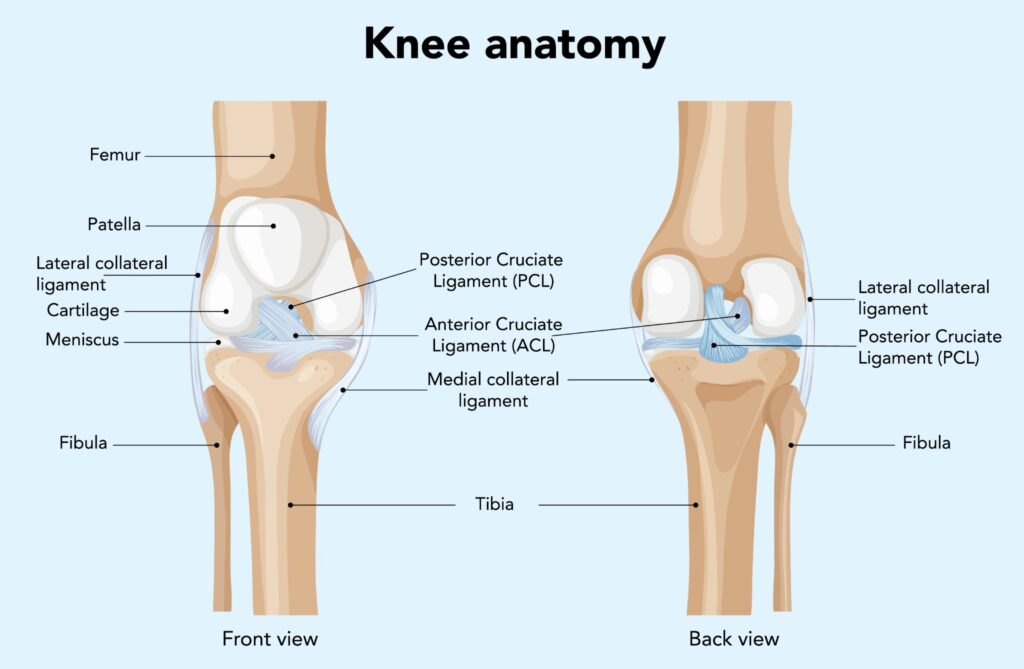
The knee is a hinge joint formed where the thighbone (femur) meets the shinbone (tibia), with the kneecap (patella) sitting at the front. It relies on a network of ligaments, tendons, cartilage, and muscles to stay stable while allowing movement. Because so many structures are involved, there are many possible sources of pain — which is why an accurate assessment matters more than guesswork.
Common Causes of Knee Joint Pain
1. Osteoarthritis
Osteoarthritis is the gradual wearing down of the cartilage that cushions the knee joint. It’s one of the leading causes of chronic knee pain, particularly in people over 45, and typically causes stiffness, swelling, and a grinding or clicking sensation with movement. According to the NHS, osteoarthritis is the most common type of arthritis in the UK and Ireland and tends to worsen gradually over time without intervention.
2. Ligament Injuries (ACL, MCL, PCL)
Sudden twists, pivots, or direct impacts — common in sports like football and GAA — can strain or tear the knee’s stabilising ligaments. These injuries often cause immediate swelling, instability, and a feeling that the knee is “giving way.”
3. Meniscus Tears
The meniscus is the shock-absorbing cartilage between the femur and tibia. Tears can happen from a sudden twisting movement during sport, or gradually through age-related wear. Meniscus damage often causes pain, swelling, and a sensation of the knee locking or catching.
4. Patellofemoral Pain Syndrome (Runner's Knee)
This is pain around or behind the kneecap, often triggered by overuse, muscle imbalances, or poor tracking of the patella during movement. It’s especially common in runners, cyclists, and people who spend a lot of time on their feet.
5. Tendinitis
Repetitive strain on the tendons surrounding the knee — particularly the patellar tendon — can lead to inflammation and pain, often described as “jumper’s knee.” This is common in athletes and people who do a lot of squatting, jumping, or kneeling.
6. Bursitis
Small fluid-filled sacs called bursae cushion the knee joint. When they become inflamed — often from repetitive kneeling or direct pressure — the result is localised swelling and tenderness, sometimes called “housemaid’s knee.”
7. Referred Pain from the Hip or Lower Back
Not all knee pain starts in the knee. Hip joint problems and lower back issues can refer pain down the leg, which is why a thorough assessment of the whole kinetic chain — not just the knee itself — is so important.
8. Poor Biomechanics and Flat Feet
The way your foot strikes the ground affects the alignment and loading of the knee above it. Flat feet or poor gait patterns can place uneven stress on the knee joint over time, contributing to pain that doesn’t have an obvious single cause. The Arthritis Foundation notes that biomechanical factors are frequently overlooked contributors to persistent knee pain.
When Should You See a Physio for Knee Pain?
You don’t need to wait until knee pain becomes severe. It’s worth booking an assessment if you notice:
- Swelling that doesn’t settle within a few days
- Pain that affects your sleep or daily activities
- A knee that feels unstable, locks, or gives way
- Pain that persists for more than two weeks
- Reduced range of motion compared to the other knee
Ignoring early warning signs often allows a manageable issue to become a chronic one. The National Institute of Arthritis and Musculoskeletal and Skin Diseases highlights that early, targeted treatment generally leads to better long-term outcomes for joint conditions than a “wait and see” approach.
How Physiotherapy Helps Knee Joint Pain
At Don Kelly Pain Relief, our approach is built around finding and treating the root cause of your knee pain — not just masking the symptoms. As a CORU-Registered Physiotherapist with over 26 years of clinical experience, Don combines hands-on physiotherapy with acupuncture and dry needling to address both the mechanical and muscular contributors to knee pain.
A typical treatment plan may include:
- Manual therapy to improve joint mobility and reduce stiffness
- Dry needling to release tight, overactive muscles that are pulling on the knee joint
- Targeted strengthening exercises for the quadriceps, hamstrings, and glutes to better support the knee
- Gait and biomechanical assessment, including footwear and orthotic advice where flat feet or poor alignment are contributing factors
- A graded return-to-activity plan for anyone hoping to get back to sport, work, or simply walking pain-free
Because every knee is different, treatment starts with a full assessment — not a generic exercise sheet — so the plan actually matches what’s driving your pain.
Physio in Limerick and Physio in Charleville
Don Kelly Physio runs two clinics to make expert knee pain treatment accessible across the region:
- Physio Limerick — Dooradoyle, Limerick (8 The Stables, Huntsfield, V94 A5X6)
- Physio Charleville — Rathgoggan Middle, Charleville, Co. Cork, P56 NW81, Ireland
Whether you’re based in Limerick city, Dooradoyle, Charleville, or the surrounding areas, our team can assess your knee pain and put together a clear, personalised plan to get you moving again.
Get Your Knee Assessed
Knee joint pain rarely goes away on its own, and the longer it’s left, the more compensation patterns can build up elsewhere in the body. If you’re dealing with knee pain and want a clear answer on what’s actually causing it, book an assessment with our physio in Limerick or physio in Charleville clinic today.
📞 086 323 9194 📧 don@donkellypainrelief.com 🌐 donkellypainrelief.ie