
Call Us for Consultation

Flat Feet and Hidden Knee & Hip Pain: The Diagnosis That’s Easy to Miss

Knee and Hip Pain

Flat Feet and Hidden Knee & Hip Pain: The Diagnosis That’s Easy to Miss

Flat feet are common and do not always cause symptoms. According to the NHS guidance on flat feet, professional advice may be appropriate when they are associated with pain, stiffness, weakness, numbness, or problems with walking and balance.

How Flat Feet and Knee Pain Are Connected

If you have ongoing knee or hip pain without an obvious injury, the problem may begin at your feet. The connection between flat feet and knee pain is often overlooked because changes in foot mechanics can affect how force travels through the knees, hips, and lower back.

Flat feet (also called fallen arches or pes planus) are one of the most under-recognised contributors to chronic knee and hip pain. They’re common, they’re often painless in the feet themselves, and that’s exactly why they get overlooked.


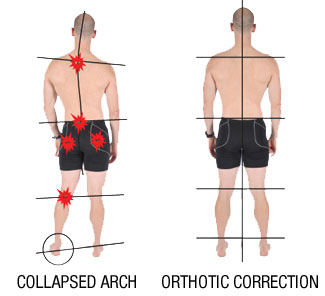
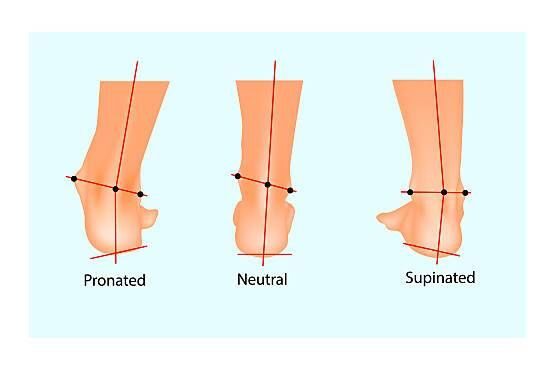
Your foot is the foundation of your entire lower-body mechanics. When the arch collapses inward (a pattern called overpronation), it doesn’t stay contained to the foot. It changes how force travels up through the body with every single step.

Assessment of inward-rolling ankles associated with flat feet and knee pain

The foot rolls inward more than it should during walking or running, the lower leg rotates inward as a result.


The knee is pulled out of its normal alignment, increasing strain on the inner knee structures and the kneecap tracking mechanism.


The hip compensates to keep you balanced and upright, often leading to excess load on the hip rotators and altered pelvic positioning.


Over months or years, this repetitive misalignment can contribute to patellofemoral pain (pain around or behind the kneecap), IT band irritation, hip bursitis, and early wear-and-tear changes in the knee and hip joints.

Why It's So Easy to Miss

Flat feet rarely hurt on their own. Many people have had them their whole lives without a single complaint — until the knee or hip pain shows up decades later. A few reasons this connection gets missed:


The pain is far from the cause. Someone with sore knees goes looking for answers at the knee. Understandably, the feet don’t come up in the conversation.


Standing exams don’t always show it. Arch collapse can be subtle when standing still and only becomes obvious under load — during walking, running, or single-leg activities. A quick look at someone’s feet in a consultation room isn’t always enough.


Imaging looks normal. An X-ray or scan of the knee or hip can be completely clean because the joint itself hasn’t broken down yet — the problem is mechanical, not structural, at least in the early stages.


Symptoms can be one-sided or intermittent. Compensation patterns aren’t always symmetrical, so pain might come and go, or only affect one side, making the pattern harder to spot without a full movement assessment.

What a Proper Assessment Looks Like

Identifying flat feet as a contributing factor requires looking at how you move, not just where it hurts. This typically includes:


Watching your gait — how your foot strikes and rolls through each step

Checking arch height both sitting and standing

Assessing knee and hip alignment during functional movements like squatting or single-leg balance

Reviewing footwear wear patterns, which often tell their own story


This is where a thorough physiotherapy assessment earns its value — connecting a symptom in one joint to a root cause in another.

When to Get It Checked

If you’re dealing with knee or hip pain that hasn’t responded to rest, generic exercises, or previous treatment focused only on the painful joint, it may be worth having your foot mechanics assessed as part of the picture. This is especially true if:


– Your pain worsens with longer periods of standing or walking

– You notice uneven wear on the inside of your shoes

– You’ve been told your imaging is normal but the pain persists

– The pain seems to shift or affect one side more than the other

When flat feet and knee pain occur together, assessing the entire lower-body movement chain may reveal contributing factors that treatment focused only on the knee could miss.


Addressing the root cause — often with a combination of targeted exercises, footwear guidance, and in some cases orthotic support — tends to produce more lasting results than treating the knee or hip in isolation.

Don Kelly Pain Relief

Where does it hurt?

Tap a point on the figure to learn what's usually behind pain in that area, or take the 30-second quiz below.

Interactive body map

Select the area that's bothering you

Each point gives a plain-language overview of common causes seen in clinic. This isn't a diagnosis — it's a starting point for a proper assessment.

Tap any highlighted point on the photo
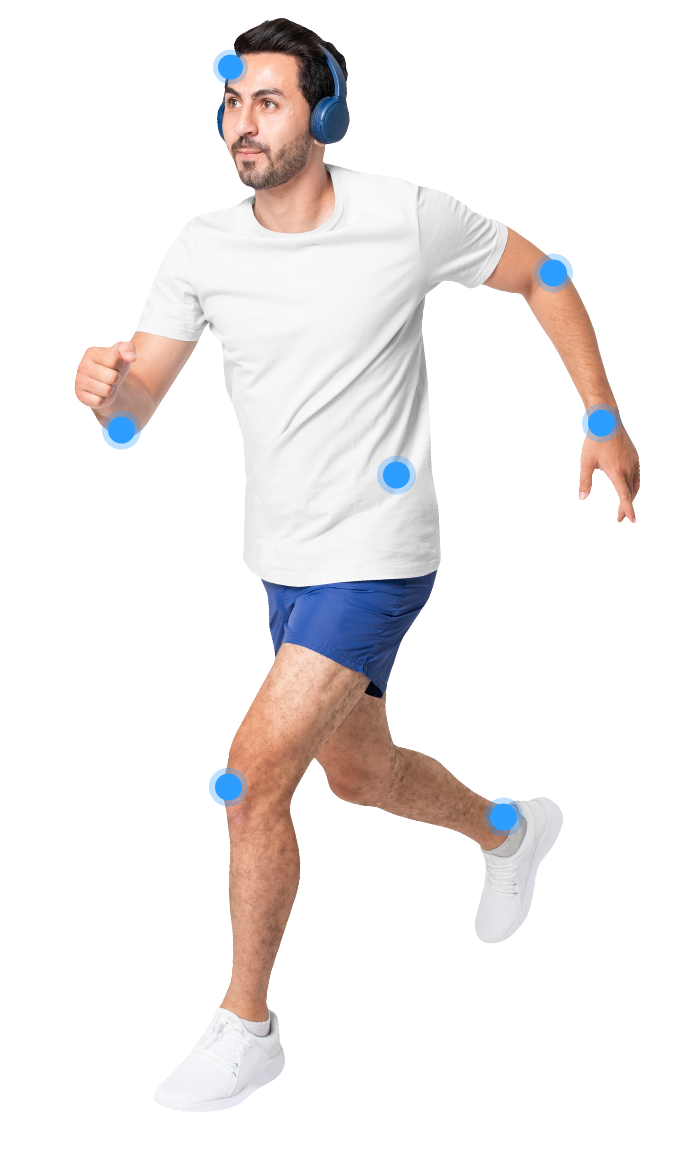
Person running, used to mark pain locations

Not sure where to start?

Answer four quick questions and we'll point you in the right direction.

1. Where's the pain mainly?

2. How long has it been going on?

3. When is it worst?

4. Has it responded to rest or basic stretching?

Your pointer

Result

This quiz gives general guidance only and does not replace a clinical assessment by a CORU-regulated Physiotherapist. If pain is severe, worsening, or follows an injury, get it checked promptly.

Dooradoyle, Limerick  •  Charleville, Co. Cork  •  donkellypainrelief.ie